Color in 70 mm:
the sublimation of cinema as spectacle
The thesis written by JR Lorenzo caught the attention of Dado Valentic, who was struck by its depth and by the cinematographic eye with which it approaches Lawrence of Arabia. So much so that he decided to devote a full episode of Colorist Meetup — the reference podcast for colorists worldwide — to it. In the conversation we explore together the foundations of the study and how relevant the film remains to the contemporary way of thinking about and designing color.
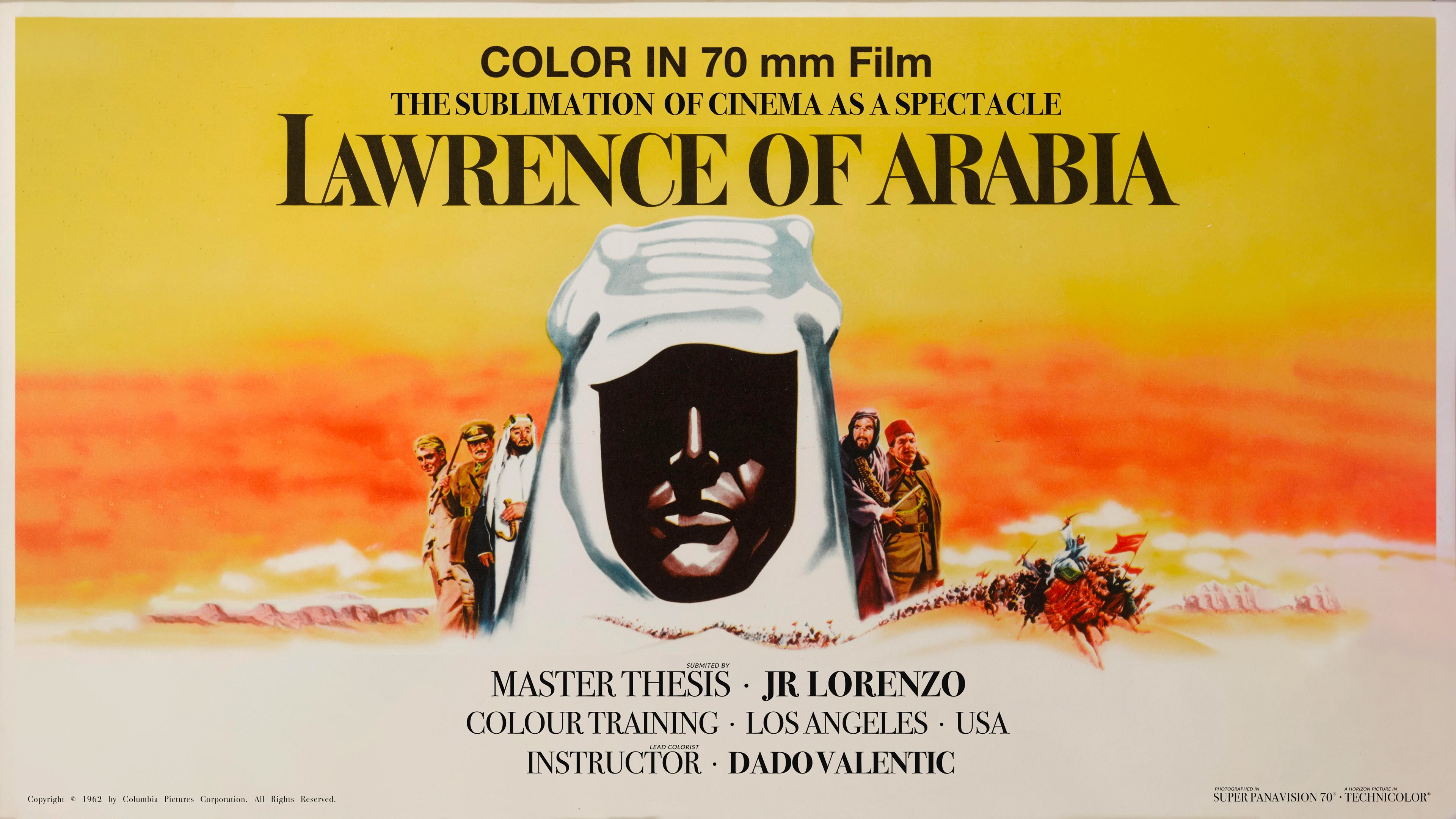
For several generations of filmmakers and audiences, Lawrence of Arabia stands for the idea of total cinema: a combination of spectacle, technical risk and psychological depth that remains a reference today. As part of the Colour Training Master programme, JR Lorenzo devoted his final project to studying the film from the perspective of color in large format: Color in 70 mm Film: LAWRENCE OF ARABIA — The Sublimation of Cinema as a Spectacle.
The result is a piece of research that brings together the history of the large formats, an analysis of the historical figure of T. E. Lawrence, a detailed study of the color decisions in the film and a review of the restoration process that allows us to see it today in all its splendour in 4K HDR. This article gathers the key points of that work and places the thesis within the DNA of LORENZO Colorlab.
From the birth of spectacle to 70 mm
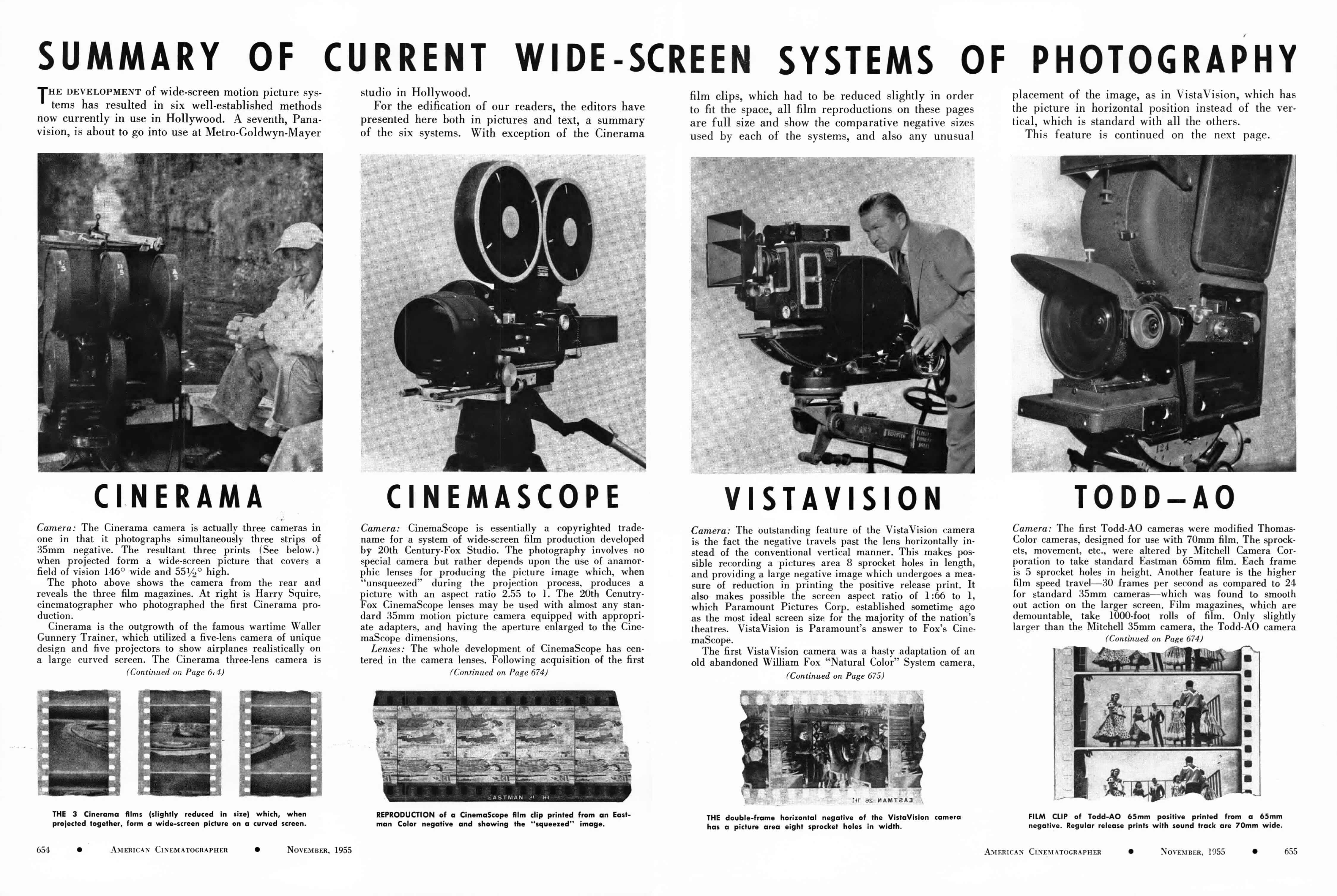
The first part of the thesis works as a historical overture. Starting from the Hollywood crisis of the 1950s and the threat of television, the study looks at how the industry responded by betting on formats that were bigger, more immersive and more spectacular: Cinerama, CinemaScope, VistaVision, Todd-AO and, finally, Super Panavision 70, the system Lawrence of Arabia was shot on.
JR Lorenzo analyses the technical and aesthetic implications of these systems: negative size, aspect ratio, type of optics, definition, grain stability and color reproduction. All of it helps to understand why the film by David Lean and cinematographer Freddie A. Young became a turning point: a work that takes the idea of "cinema as spectacle" to its fullest expression without giving up the complexity of its character.
The man behind the myth: T. E. Lawrence
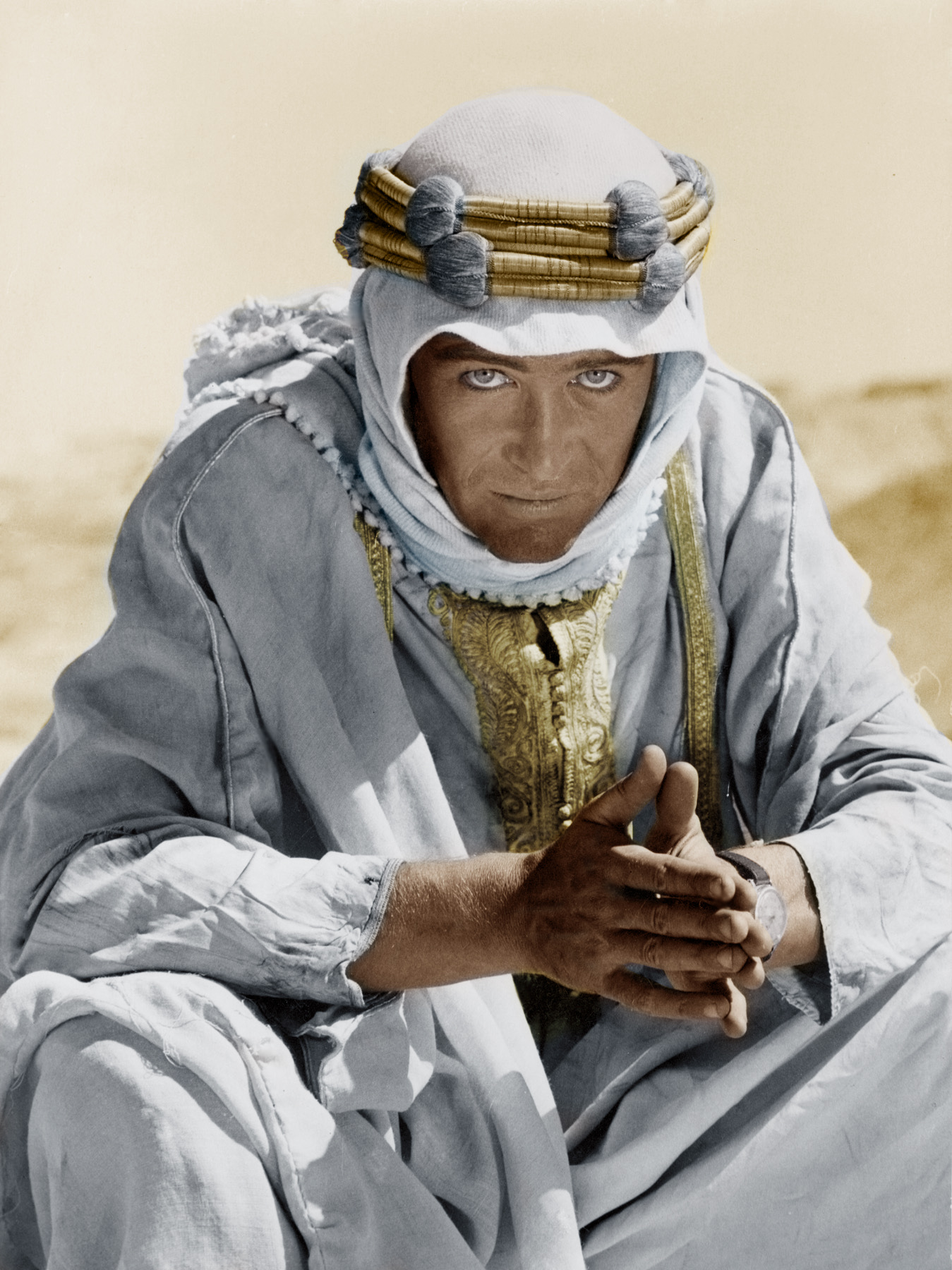
The second section, Miracle in the Desert, focuses on the real figure of T. E. Lawrence: archaeologist, spy, writer and a key player in the Arab Revolt during the First World War. The thesis sets biography against cinematic icon in order to understand how the film builds a contradictory, brilliant and deeply wounded character who moves between the epic and self-destruction.
This historical and psychological context is not a mere appendix: it shapes the staging, the way the desert is framed, the way costume, light and color turn the protagonist into an almost mythical figure — yet one always crossed by doubt.
Color analysis: from the physical desert to the inner one
The core of the work is a systematic analysis of color throughout the film. Following a structure of blocks and sequences, JR Lorenzo studies how the palette evolves — from the more neutral, cooler tones of Cairo to the extreme ochres, night blues and almost blinding golds of the desert — and how that evolution accompanies the inner journey of the character.
The thesis breaks down key moments (the "match cut", the first entrance into the desert, the crossing of the Nefud, the taking of Aqaba, Deraa or the arrival in Damascus) and relates them to concepts of visual narrative: contrast, separation of planes, dramatic use of the sky, negative density and the way the 70 mm emulsion responds to real light.
This study does not limit itself to describing "pretty colors": it draws on contemporary color grading tools and criteria, in dialogue with current HDR practice and color-managed workflows, in order to understand what we can learn today from the work of Young and Lean and how to carry those lessons into present-day projects.
Restoration, new prints and a "reborn" color
Another important block of the thesis is devoted to the history of the different versions and restorations of Lawrence of Arabia. From deteriorated and cropped prints to the restoration led by Robert A. Harris and the later remasters, it analyses how each intervention has affected color, contrast and the theatrical experience.
Here the work connects directly with the daily practice of LORENZO Colorlab: the tension between absolute respect for the original intent and the possibilities opened up by current technology — higher-resolution scans, wide color spaces, HDR, exhibition on high-luminance domestic displays.
From research to the studio: what it brings to LORENZO Colorlab
This thesis is not only an academic exercise. It is a statement of principles about how JR Lorenzo understands color work: as a bridge between film history, technology and emotion. The research into 70 mm, the large formats and the specific case of Lawrence of Arabia feeds directly into the philosophy of LORENZO Colorlab: technical rigour, a love of celluloid and a contemporary approach to grading for film, series and advertising.
The project was developed under the mentorship of Dado Valentic within the Colour Training Master programme, and it reinforces the studio’s vocation as a space for applied research, where every commission is approached with a mix of artistic sensibility and technical depth.
If you want to know more about the process, or you are developing a project where color and format play a key role, you can get in touch with the studio.
Let’s talk about the project